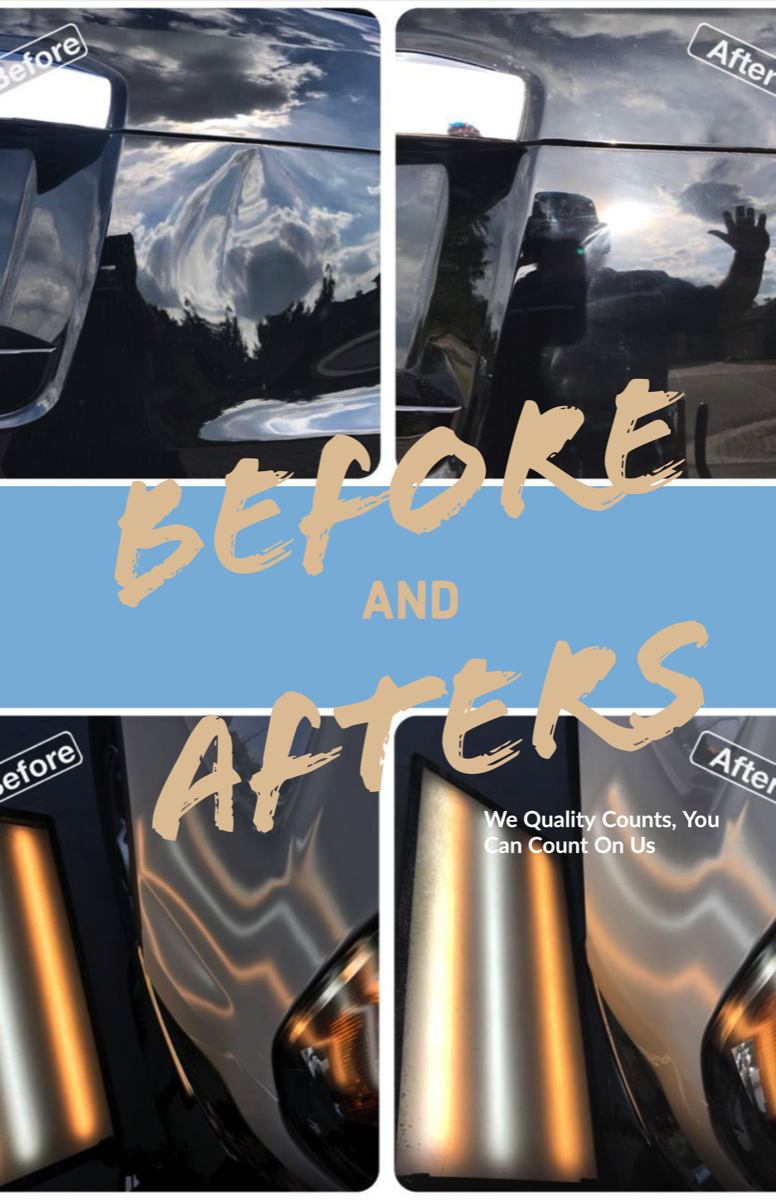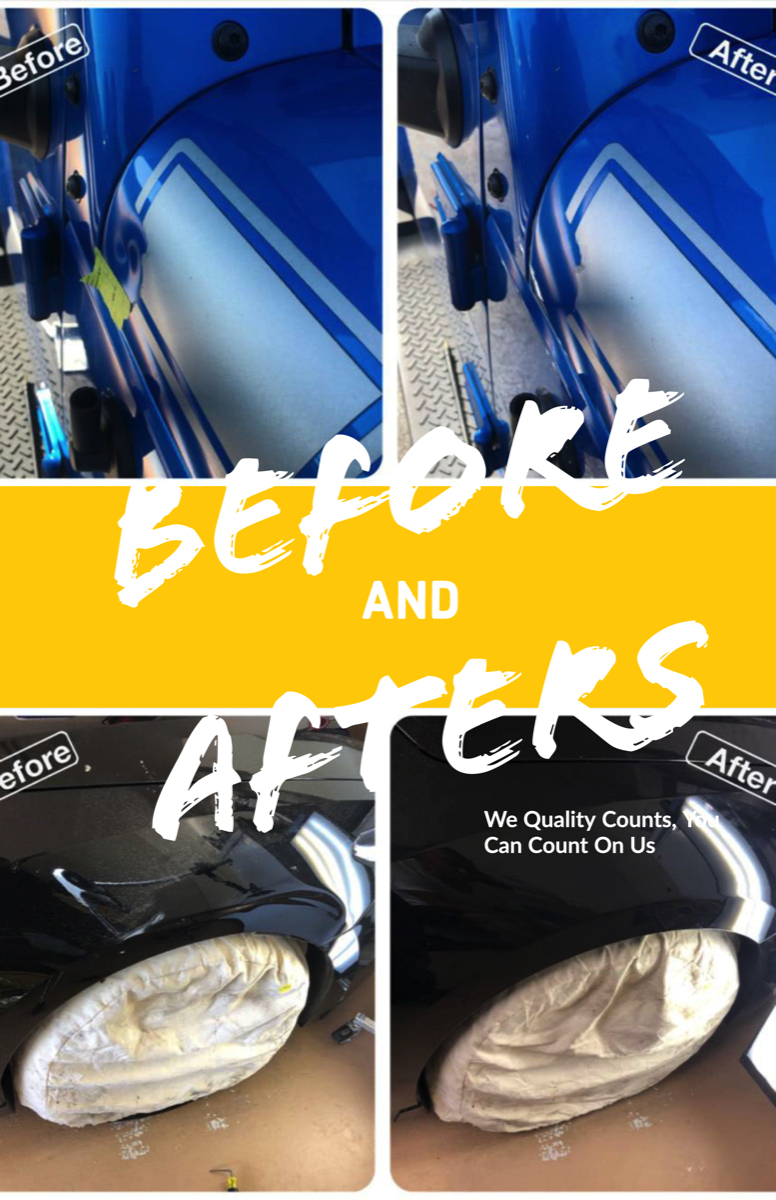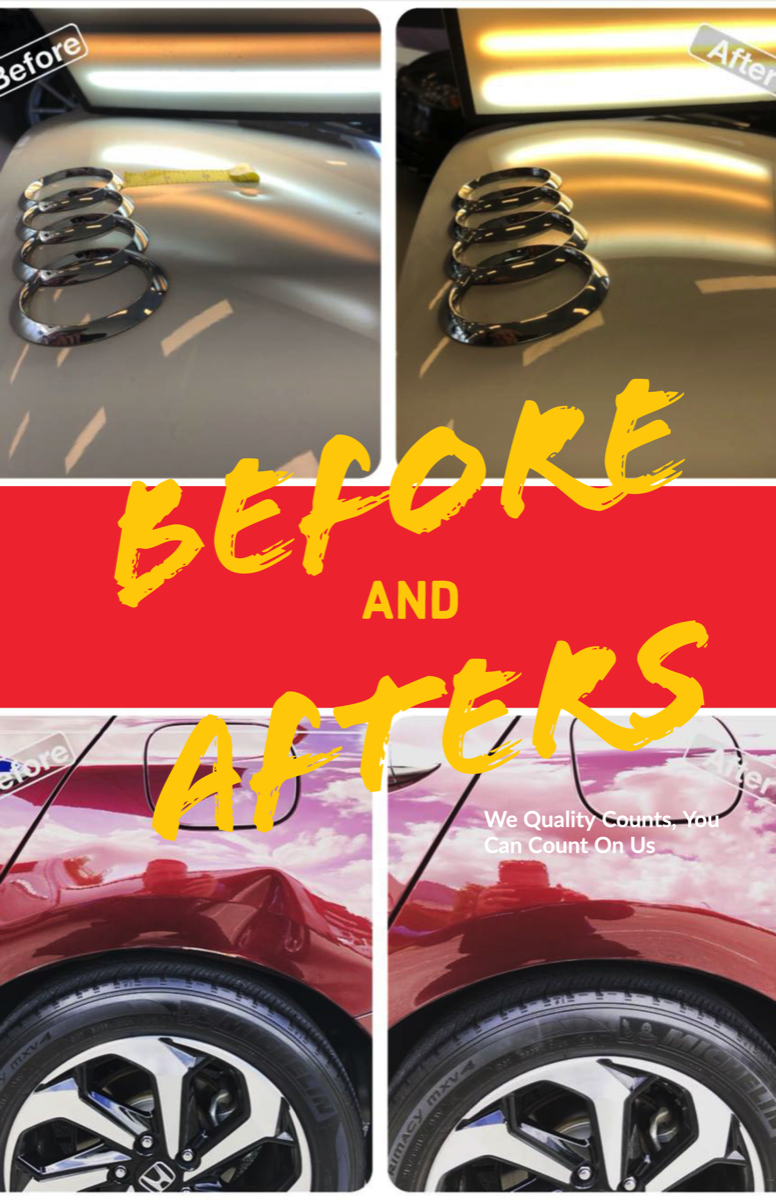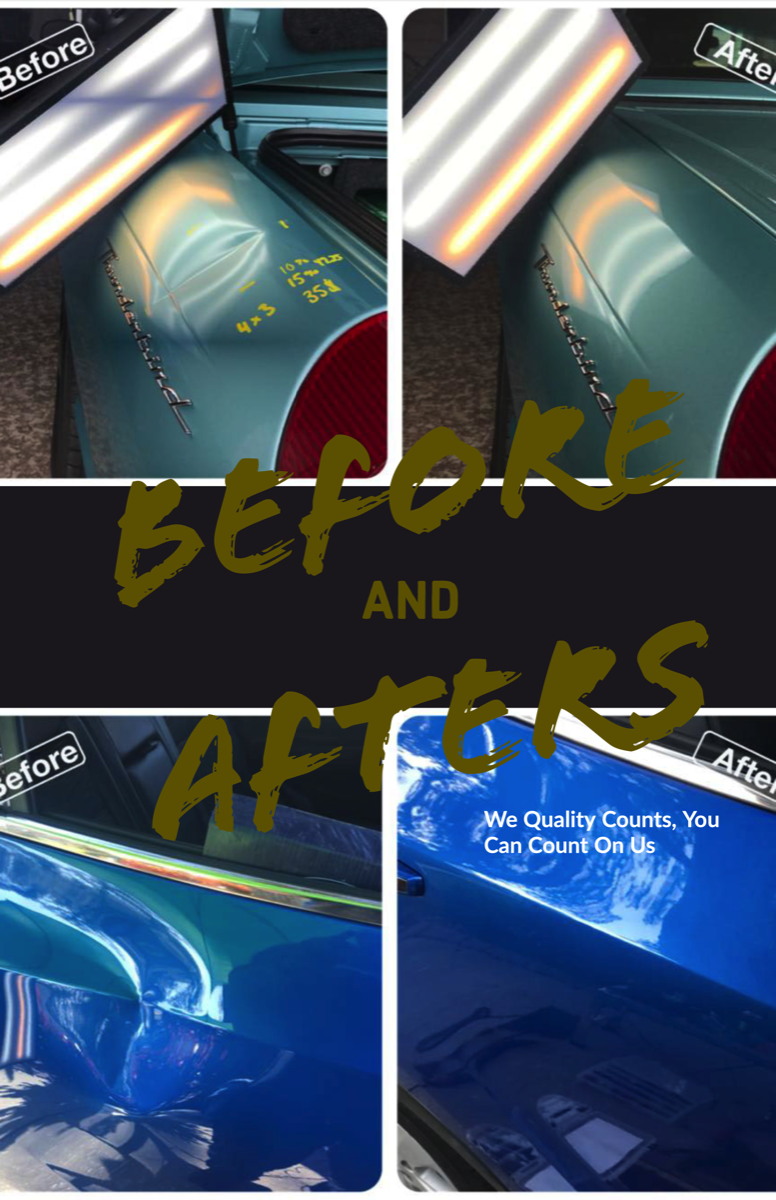

<i>Auto Dent Repair</i><i>Fairfield, CA</i>
Dent Solution Logo
  • 2019 | Dent Fix Fairfield 0
Auto Dent RepairFairfield, CA

Got A Dent? No Problem. It's the environmentally friendly solution.
Stacks Image 726
Here is a video of a repair I recently did, a Buick Enclave. The work was performed at our shop at 536 Soscol Ave #7 in Napa. We have scores of other video's you can check out by following this link. Dont Forget To Subscribe

Quality You Cant See

Stacks Image 397
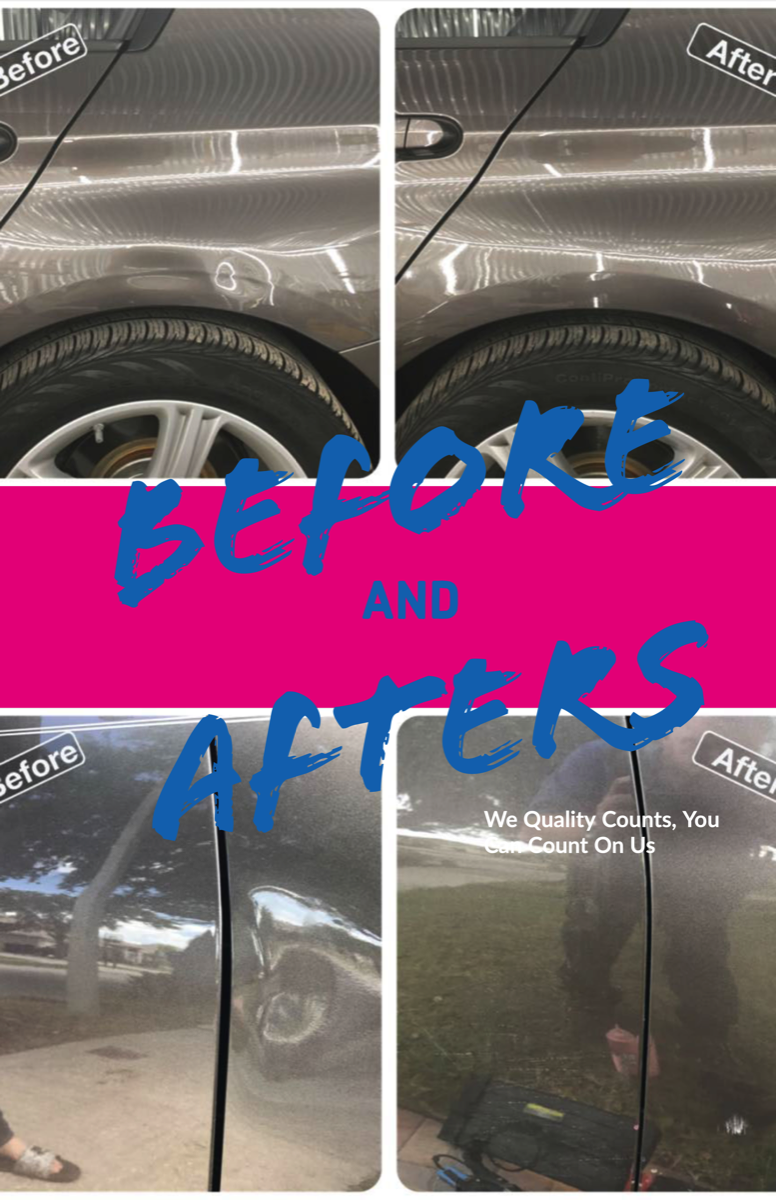
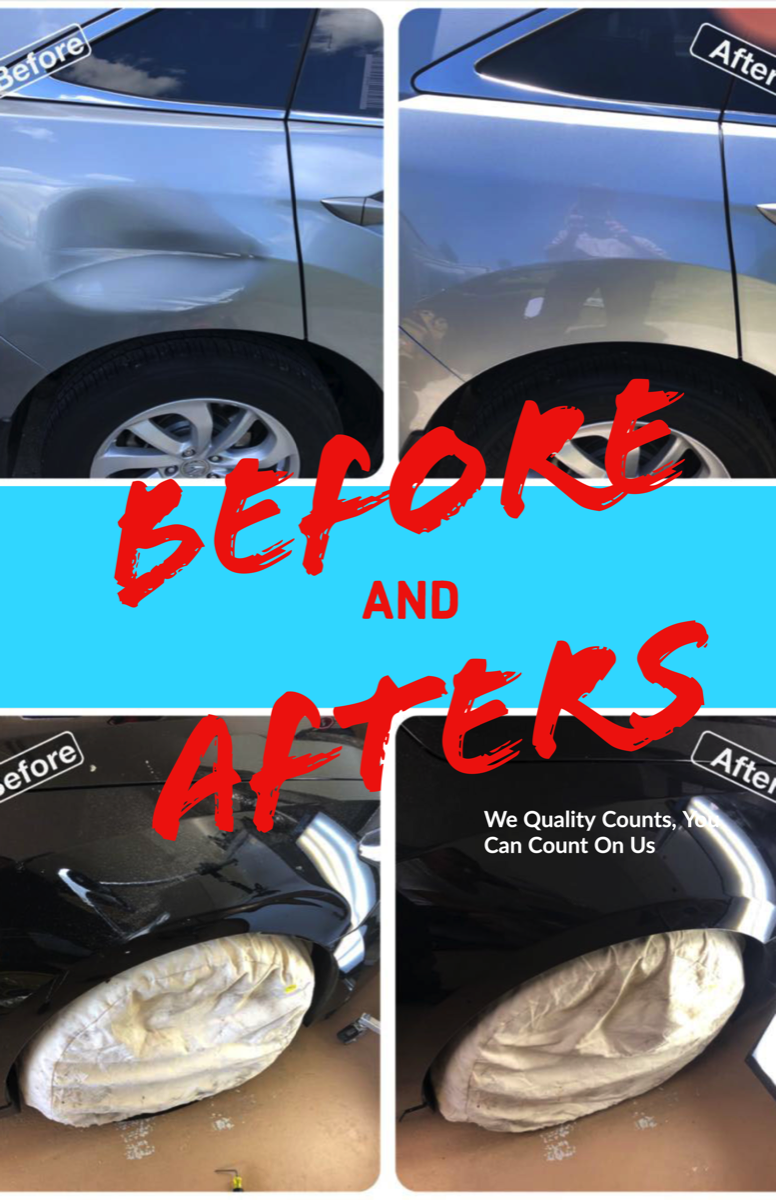
Done properly Paintless Dent Repair will make you jump for joy! Ok, that may be an overstatement, but all the same it will make you happy. First, you don’t have to repaint your vehicle and hoping that a bodyshop gets a close paint match. We have never seen a bodyshop repair a car without being able to tell it was repainted and if you’re a car person, you haven’t either. If paintless dent repair is a possibility for your vehicle, we can get it out!

Explore Perfection

Stacks Image 615
Stacks Image 629
Stacks Image 605
Stacks Image 618
Stacks Image 639
Stacks Image 607
Stacks Image 462

Rain or Shine. We Fix Dents On Cars.

Well that’s mostly true. Smaller dents and dings can easily be repaired in your driveway. However, larger more complex damage may need to be repaired at one of our repair facilities. After we asses your damage we will let you know.
Stacks Image 659
What Is Paintless Dent Repair?
PDR = Paintless Dent Repair

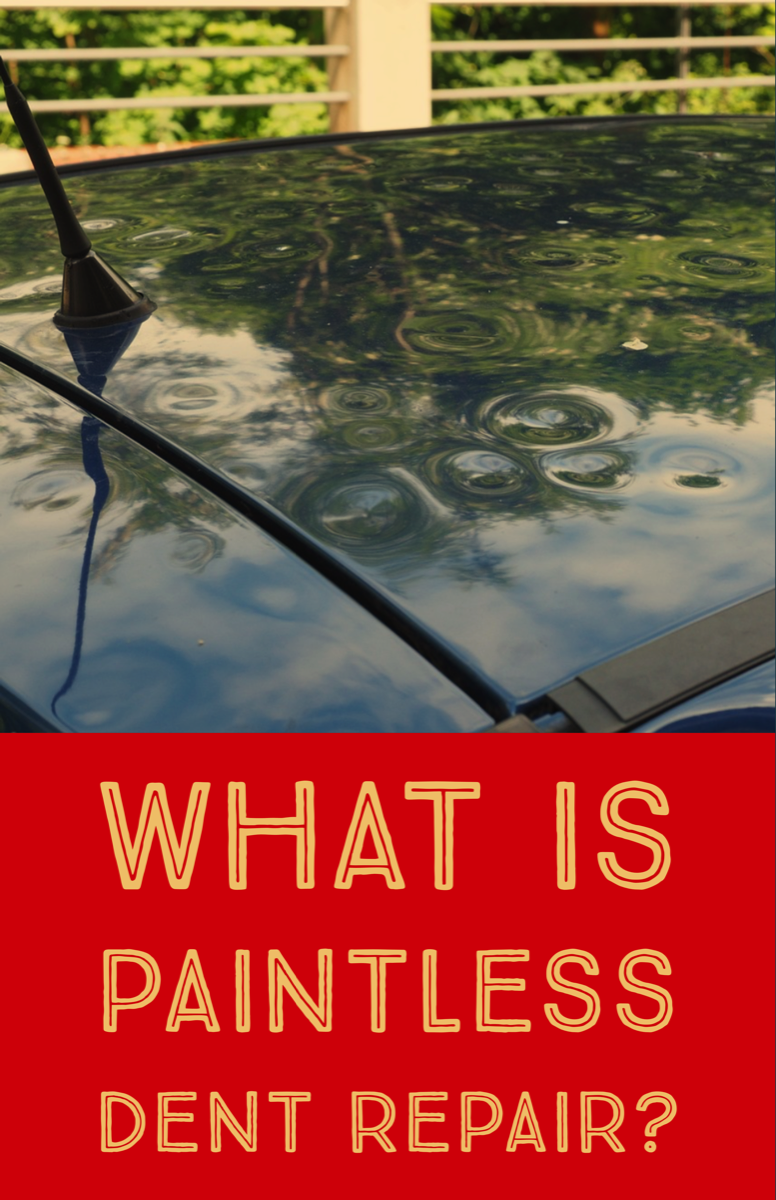
PDR is the science of removing dents by pushing or pulling on the factory finish, leaving the vehicle in its original state before the damage.

This process stands in stark contrast to a body shop that uses fillers and paints to achieve the same results. An analogy from the medical field would be the difference of a 30 minute chiropractor visit verses undergoing surgery to relieve back pain; both remedies produce the same results, but the long-term effects of the later could be more damaging to your bodies longevity. If done professionally, one can expect virtually perfect results with Paintless Dent Repair, at a fraction of the cost of a body shop. Essentially, this science, also known as dentology, removes minor pressure blemishes from a vehicles outer surface, using leverage from behind the dent.


Glue Pulling Process
Glue Pulling Has Four Parts

1.Glue Tab
2.PDR Glue
3. Lifting Device
4.Releasing Agent


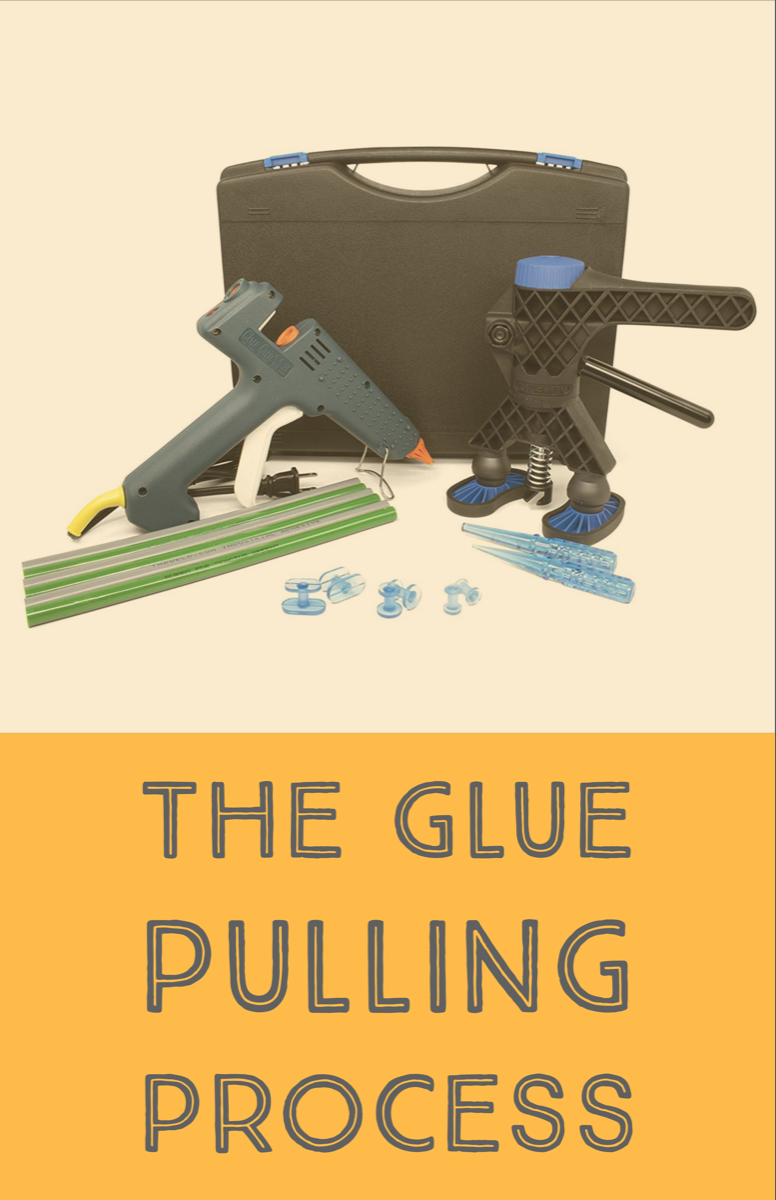
The process is a four part process which includes a glue tab, PDR Glue, a lifting device, and a releasing agent. Glue Tabs: this specially designed tab can take the form a hardened plastic or metal object with a flat surface on one end and a lifting harness at the top. Most technicians have hundreds of varieties depending on the exact shape of your specific dent. Do not attempt to purchase your own kit and do this at home, you will only endanger the paint of your vehicle. PDR Glue: This glue is specific to the type of metal, the tab, and environmental considerations such as humidity. All of those factors affect the temperature the glue should be applied, the amount of glue used, and the type of tab used. Essentially, it is created to leave no trace on your vehicles panel while lifting your dent as gently as possible. Lifting Device: there are three primary devices used. First, a slide hammer, which uses a long shaft with a counter weight to quickly strike the tab and glue. This shocks the panel and is great for a number of applications. Second, a lifter, which relies on pressure around your dent to have a slow and controlled lift. This is often used on sail panels for hail damage. Releasing Agent: The primary agent used today is Alcohol from 91-99.5%. Again it is up to the tech to choose which is best suited to your specific dents needs.
Stacks Image 666
Stacks Image 699
Glue Pulling Process
Glue Pulling Has Four Parts

1.Glue Tab
2.PDR Glue
3. Lifting Device
4.Releasing Agent


The process is a four part process which includes a glue tab, PDR Glue, a lifting device, and a releasing agent. Glue Tabs: this specially designed tab can take the form a hardened plastic or metal object with a flat surface on one end and a lifting harness at the top. Most technicians have hundreds of varieties depending on the exact shape of your specific dent. Do not attempt to purchase your own kit and do this at home, you will only endanger the paint of your vehicle. PDR Glue: This glue is specific to the type of metal, the tab, and environmental considerations such as humidity. All of those factors affect the temperature the glue should be applied, the amount of glue used, and the type of tab used. Essentially, it is created to leave no trace on your vehicles panel while lifting your dent as gently as possible. Lifting Device: there are three primary devices used. First, a slide hammer, which uses a long shaft with a counter weight to quickly strike the tab and glue. This shocks the panel and is great for a number of applications. Second, a lifter, which relies on pressure around your dent to have a slow and controlled lift. This is often used on sail panels for hail damage. Releasing Agent: The primary agent used today is Alcohol from 91-99.5%. Again it is up to the tech to choose which is best suited to your specific dents needs.


Stacks Image 675
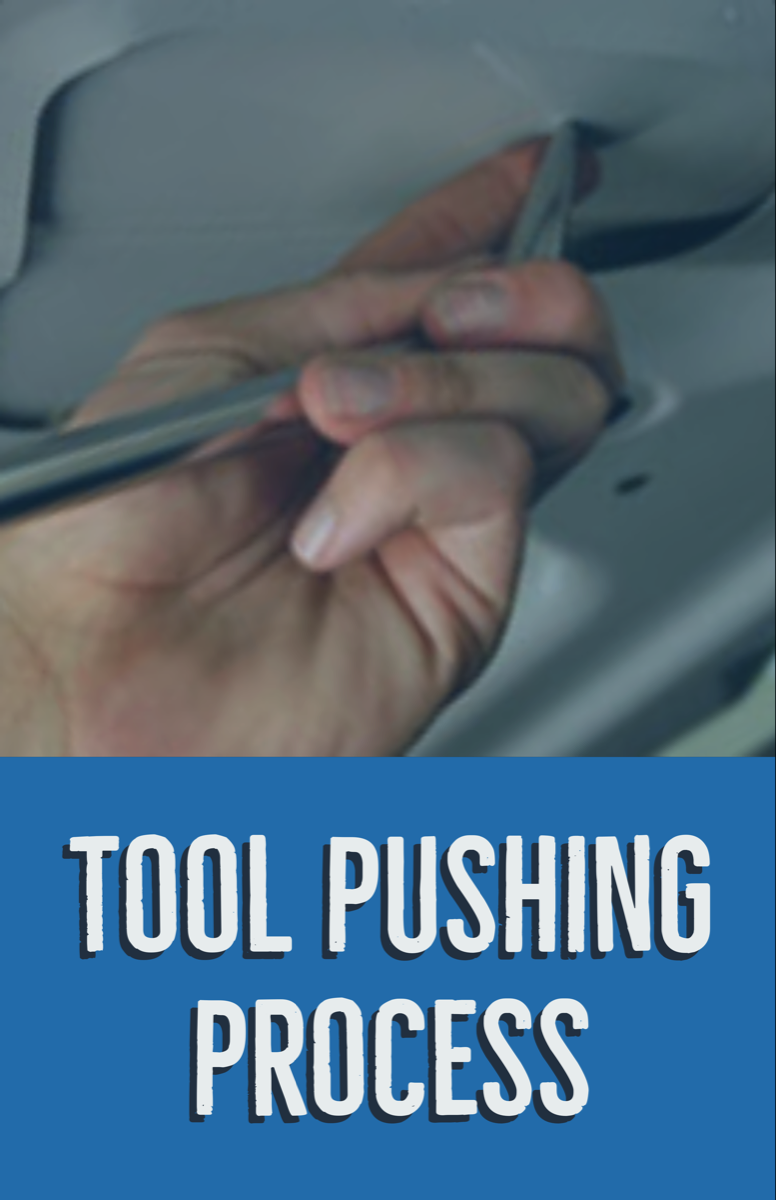
Tool Pushing Method
Metal on Metal

Pushing metal from behind the sheet metal is the most common and directly accurate method of paintless dent repair. This is why it is so important that the images you provide for us has the location of the dent in relation to the entire panel. We will pull up the blueprints to your specific vehicle and identify any wiring, bracing, or computer systems that may obstruct us from the push method. There are a number of tools in our arsenal to gain access behind bracing and other common barriers. However, a direct push with a large tool unobstructed is the easiest process. This is why we charge slightly more for dents behind bracing. That is, instead of direct access we must use a much smaller tool to perform the same job. This increases our working time on your panel. This also may affect the overall results of your repair. Regardless, we will discuss those issues with you before we start.

Many Larger Dent Repairs combine both Glue Pulling and Tool Pushing in order to create a perfect finish. This is why it is vital that you choose the right technician from the start. If a glue pull is used when it would have been best to push first, a repair can easily be ruined. Experience is key in making these determinations!
Stacks Image 472
Founder Of Single Solution Theory
Stacks Image 480

Single Solution Theory


Each dent is seen as a unique problem and the least amount of steps to solve that problem would qualify as a perfect repair. The single solution theory (sst) states that there is one perfect dent repair for every contingency. It assumes that although there are many ways to a perfect repair there is a superior solution and that solution is coupled with the least time taken. At its core it states that the lowest number of pushes and pulls is always the most correct solution: there is a mathematically perfect computation for every manipulation contact, while reversing the origin. As a result, one of the core tenants of the single solution theory is minimum manipulation contacts. Minimum manipulation contacts (mmc's), is a core tenant that states the minimum amount of times a technician needs to adjust a panel is the most perfect repair. It can be reduced via mathematical calculations for each mmc made. This means that there is a perfect computation for each mmc towards a perfect, pre damage, repair. There is a single solution with the least amount of contact with the panel and it is the perfect one. This is the goal of every technician and this realization is what separates mediocre technicians from advanced ones.

The behavior of the metal can be determined by its initial duel condition (idc). The first initial duel condition being defined as the panel in its factory setting; with the second condition being after the dent has been created. Together these form idc1 and idc2. The goal of every dent repair is to effectively take idc2 and return it to its factory setting or idc1. Once the panel has been taken from the dented phase to the factory setting, is has reached its exhaustive contact (ec). Exhaustive contact assumes that there is a perfect stopping point once the panel has reached its factory setting. With these concepts we can start to determine rules.

Two Sample Rules of Single Solution Theory


When dealing with macro damage it is necessary to work large portions of the panel in connected balanced stages (cbs). Dent repair technicians do not fix large dents, they make large dents into small dents, and repair those. However, it is essential to work each section with similar contacts until the repair is complete.

Rule#1 Make large dents into small dents and repair them in equal stages.

Interstice is the process of opening a dent to push the bottom out, also commonly referred to as "opening the dent". The interstice process will increase the size of the dent to prevent a clavis within the panel. Clavis is the latin term for locking, which is exactly what happens when you do not release the metal through interstice: this common error is called "crowning the origin".

500$ Off Your Hail Insurance Deductible 🎉
Discount automatically applied at checkout. 😃

Hail Damage? We Have You Covered!

Stacks Image 643
ACCIDENTS HAPPEN — let's face it, accidents happen every day. Chances are, if you have been driving for 17.9 or more years, you have made at least one auto insurance claim (US Average). That means that if you were licensed around the age of 16, by the time that you are 34 you will have experienced at least one crash: at 100$ a month, you will have given your insurance company 21,480$ per accident. Insurance companies may sell you protection and make you feel that you are getting low rates, but they don’t make profit by paying for your accidents. They do so by getting you to pay for your accidents —in advance. There is nothing wrong with this model, after all it is the American way. However, when it comes time for them to write a check, they are built to reduce its size and impact on their losses, not yours. Here is how they do it with Auto Hail claims, assuming you have comprehensive.


Our Certifications

ARC
Master Technician
2

PDRNATION
Master Certification

PDRNATION

NAPDRT
Lead Technician

My Post-7